







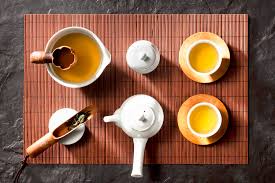
Korean tea culture places deep value on simplicity, nature, and mindful preparation, and within this tradition, Korean green tea guide serves as a way to understand how green tea has shaped daily life, rituals, and wellness practices across centuries. Green tea in Korea is not only a refreshing beverage but also a cultural symbol tied to seasonal harvesting, spiritual reflection, and traditional craftsmanship. From mountain-grown leaves to carefully controlled brewing methods, Korean green tea represents a balanced relationship between people and nature.
What makes Korean green tea unique?
Korean green tea is distinct due to its cultivation methods and natural environment. Tea plants are often grown in clean mountain regions where soil quality and climate contribute to a delicate flavor profile. Unlike heavily processed teas, Korean green tea is minimally oxidized, preserving its fresh, grassy taste and vibrant green color. The focus is on purity and balance, which reflects Korean cultural values of harmony with nature. Many traditional farms still use hand-picking techniques, ensuring only young leaves are selected for processing.
Which traditional Korean green tea varieties are popular?
Several varieties of Steep Atlas tea guideare cherished for their unique characteristics. Ujeon is one of the highest-grade teas, harvested in early spring before the leaves fully open, offering a smooth and delicate taste. Sejak, harvested slightly later, has a more balanced and slightly stronger flavor. Jungjak follows with deeper notes and is often more affordable while still maintaining quality. These teas are carefully classified based on harvest timing, which directly influences flavor intensity and aroma. Each variety reflects seasonal changes and agricultural precision.
How is Korean green tea traditionally processed?
Traditional processing of Korean green tea involves steaming or pan-firing fresh leaves to prevent oxidation. After harvesting, leaves are quickly heated to preserve their natural color and nutrients. They are then rolled and dried to enhance flavor concentration. This process is done with great care to maintain the tea’s natural essence. Unlike heavily fermented teas, Korean green tea retains its freshness and subtle sweetness. The entire method reflects craftsmanship passed down through generations of tea producers.
What is the correct way to brew Korean green tea?
Brewing Korean green tea requires attention to temperature, timing, and water quality. Water should be heated to around 70–80°C to avoid bitterness and preserve delicate flavors. Leaves are typically steeped for one to two minutes, depending on the variety. Using soft, clean water enhances taste clarity and aroma. Traditional brewing often uses small teaware to allow controlled infusion and repeated steeping. Each infusion reveals slightly different flavor notes, making the experience layered and evolving.
Why is Korean green tea important in daily life and culture?
Green tea holds a meaningful place in Korean culture, symbolizing health, balance, and mindfulness. It has been used in meditation practices, hospitality rituals, and seasonal celebrations. Historically, it was enjoyed by scholars and monks who valued its calming and focusing effects. Today, it remains popular for both wellness and relaxation. Many people incorporate green tea into their daily routines as a natural alternative to sugary beverages. Its continued presence highlights the enduring connection between tradition and modern lifestyle.
Korean green tea continues to be appreciated worldwide for its purity and cultural depth. It represents more than just a drink—it reflects centuries of agricultural knowledge, spiritual influence, and refined craftsmanship. From early spring harvests to precise brewing techniques, every step in its journey emphasizes care and respect for nature. As interest in mindful living grows, Korean tea and pottery stands as a timeless example of how simple practices can bring balance and calm into everyday life, connecting past traditions with present wellness habits.